Table of Contents

Table of Contents
The employer employee insurance scheme is a crucial component of the employee benefits package, providing financial protection to employees during health emergencies and offering a range of benefits for both employers and the workforce.
The employer-employee insurance industry is witnessing substantial growth driven by factors like increased adoption, tax benefits, comprehensive coverage options, focus on employee well-being and regulatory initiatives.
This growth underscores the industry’s importance in safeguarding employee’s health and financial security while also benefiting employers in terms of talent retention and overall organisational success.
Employer-employee insurance, also known as group insurance, is a type of insurance coverage provided by employers to their employees, offering a range of coverage benefits such as health insurance, life insurance, disability insurance and more.
This insurance is designed to ensure that employees have access to essential protection and benefits, often at a more affordable rate compared to individual insurance plans. It serves as a valuable employee perk, providing financial security during medical emergencies, aiding in retention, attracting talent, and promoting overall well-being.
Employers can choose to reimburse employees for policy premiums if specified in the terms and conditions of the policy, and the coverage extends to employees’ family members, covering accident-related injuries, medical emergencies,hospitalisation costs, and other specified expenses.
The employer-employee insurance scheme is insurance coverage brought by employers for their employees, providing financial support during health emergencies and advantages for both employers and the workforce.
This scheme is a valuable asset for businesses, enhancing employee-employer relationships, aiding in retention, attracting talent, and promoting overall well-being. It includes customisable coverage options, tax benefits for both employers and employees and eligibility for various types of businesses.
The Employer-Employee Insurance Scheme serves as a crucial component in fostering a healthy and secure work environment, ensuring financial security for employees and their families in times of need.

An employer-employee insurance scheme works by the employer providing insurance coverage to its employees as part of their overall compensation package. Here’s how it typically works:
The employer selects one or more insurance plans from insurance providers to offer to its employees. These plans may include group health insurance, dental insurance, vision insurance, life insurance, disability insurance, or other types of coverage.
During the initial enrollment period or when they become eligible for benefits, employees have the opportunity to enroll in the insurance plans offered by their employer. They may be required to fill out enrollment forms and provide necessary information about themselves and any dependents they wish to cover.
The employer is responsible for paying the premiums for the insurance coverage provided to employees. In some cases, the employer may cover the entire cost of premiums, while in other cases, employees may be required to contribute a portion of the premium through payroll deductions.
Once enrolled, employees and their covered dependents are provided with insurance coverage for a specified period, typically one year. Coverage usually begins on the effective date specified by the insurance plan.
Employees and their covered dependents can utilise the benefits provided by the insurance plans as needed. This may include seeking medical care, obtaining prescription medications, undergoing dental or vision treatments, filing claims for disability benefits, or accessing life insurance coverage.
Insurance plans may have a network of healthcare providers, dentists, vision care professionals, or other service providers with whom they have negotiated discounted rates. Employees may be encouraged to use providers within the network to maximise their benefits and minimise out-of-pocket expenses.
When employees or their dependents receive covered services, healthcare providers submit claims to the insurance company for reimbursement. The insurance company processes the claims according to the terms of the insurance plan and reimburses the providers accordingly.
At the end of the coverage period, typically annually, the employer may have the option to renew the insurance plans for another term. Employees may also have the opportunity to make changes to their coverage during an open enrollment period, such as adding or removing dependents or switching between different insurance plans offered by the employer.
Offering an employer employee insurance scheme is a smart business decision that benefits both the employer and the employees. It helps attract and retain top talent, improves employee morale and productivity, provides tax advantages, strengthens employer-employee relationships, and promotes a healthier workforce.
Companies can partner with several players, who offer innovative products and excellent service standards. For example, Onsurity is one of the top players in the group health insurance business (also called employer employee insurance) and is trusted by over 5,000+ companies and serves more than 10 lakh+ members.
With customisable plans, easy onboarding, and comprehensive benefits, Onsurity simplifies employee healthcare for businesses of all sizes.
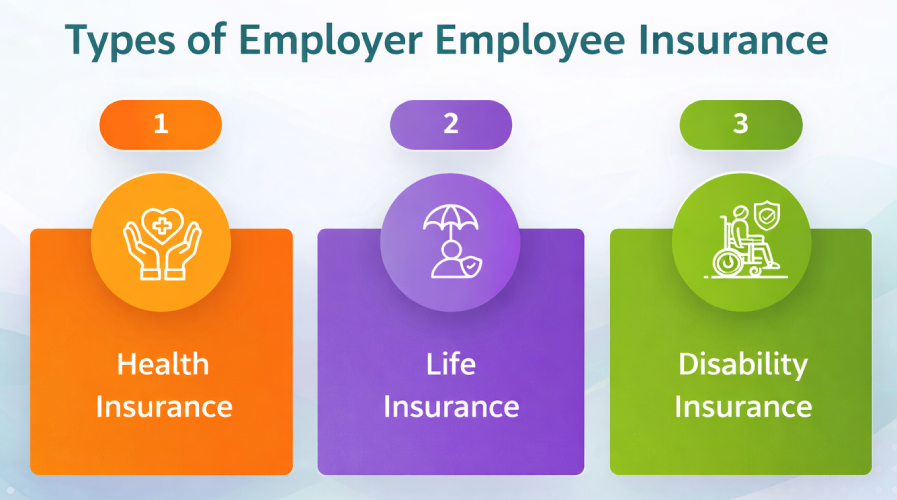
The employer-employee health insurance scheme is a type of insurance coverage purchased by employers for their employees, offering financial protection during health emergencies. The coverage includes accident-related injuries, medical emergencies, hospitalisation costs, and other specified expenses for employees and their families.
The employer selects one or more group health insurance plans to offer to its employees. These plans may vary in terms of coverage options, premiums, deductibles, and networks of healthcare providers.
Several companies offer unique products, affordable prices and exemplary service standards. For example, Onsurity’s Employer Employee Insurance programme for small and medium-sized businesses is a platform that provides a range of employee benefits, including health insurance, wellness programs, and perks, designed specifically for startups and SMEs (Small and Medium-sized Enterprises).
An employer-employee life insurance scheme is a program where an employer offers life insurance coverage to its employees as part of their benefits package. This type of scheme provides financial protection to employees and their families in the event of the employee’s death.
The employer selects a life insurance policy or policies to offer to its employees. This can vary depending on factors such as the size of the company, budget considerations, and the preferences of the employees.
Offering a life insurance scheme as part of the employee benefits package can provide employees with financial security and peace of mind, knowing that their loved ones will be protected in the event of their death. Additionally, it can help employers attract and retain talent by providing a valuable benefit that supports employees’ long-term financial well-being.
Employer employee disability insurance is a type of insurance coverage that provides financial protection to employees in the event of a disability that prevents them from working. It is a group insurance policy purchased by employers to cover their employees in case of a disability.
The policy provides income replacement benefits to employees who become disabled and are unable to work. Coverage can include both short-term and long-term disability, depending on the policy terms.
The employer employee disability insurance is a valuable benefit that provides financial protection to employees in case of a disability, helps retain talent, and offers tax benefits to both employers and employees. It is an important aspect of a comprehensive employee benefits package.
There are two main types of structures in an employer-employee insurance scheme. Take a look:
The key difference between the two structures is the role of the employer and employee in the proposal and policy assignment. In Type A, the employer is the proposer, while in Type B, the employee takes on this role. The policy assignment is mandatory in Type A to prevent misuse, while it is not required in Type B.
The eligibility criteria for employer-employee insurance schemes vary based on the insurer and the specific policy details. However, here are the general eligibility parameters:
The employer-employee insurance scheme offers several key benefits for employers:
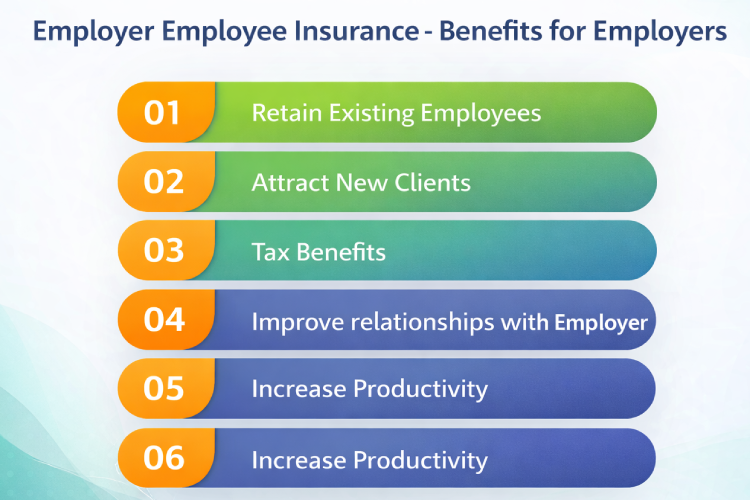
By providing comprehensive insurance coverage, employers can make their employees feel valued and secure. This helps increase employee retention rates as they are less likely to leave for another company.
Most professionals prefer working for companies that offer benefits like health insurance. Providing this coverage can help employers attract top talent and stand out from competitors.
Premiums paid by employers for employee group health insurance are tax-deductible as a business expense under Section 37(1) of the Income Tax Act. This provides significant tax savings.
Offering group health insurance demonstrates that the employer cares about the well-being of the workforce. This helps build strong, positive relationships and enhances the company’s reputation.
Knowing they have insurance coverage gives employees peace of mind. This can lead to higher morale, job satisfaction and productivity, as employees can focus on their work without worrying about medical costs.
Employer-sponsored group health insurance encourages employees to prioritise their health and seek preventive care. This can result in a healthier workforce that takes fewer sick days.
The employer-employee insurance scheme offers several key benefits for employees:
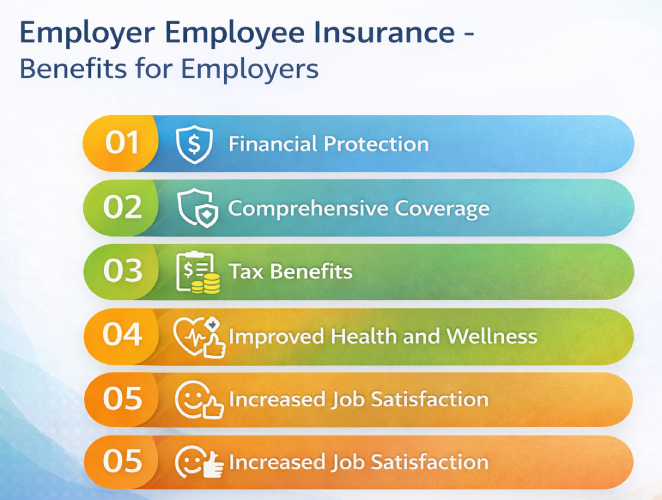
The most significant benefit is the financial protection provided to employees and their families in case of medical emergencies, accidents, or untimely death of the employee. The insurance coverage helps cover hospitalisation costs, medical expenses and provides financial support to the family.
Employer-employee insurance typically includes coverage for medical emergencies, hospitalisation, accidental injuries, and in some cases, even the employee’s family members like spouse, children, and dependent parents. This comprehensive coverage gives employees peace of mind.
If employees contribute towards the premium, they can claim tax deductions under Section 80C of the Income Tax Act. Additionally, the maturity proceeds of the insurance policy are tax-exempt under Section 10D.
Employer-sponsored insurance encourages employees to prioritise their health and seek preventive care. Many insurance plans also offer wellness benefits like fitness tracking apps, discounts on medicines, etc. which promote a healthier lifestyle.
Employer-sponsored insurance encourages employees to prioritise their health and seek preventive care. Many insurance plans also offer wellness benefits like fitness tracking apps, discounts on medicines, etc. which promote a healthier lifestyle.
Employer-employee insurance schemes offer significant tax benefits for both employers and employees under the Income Tax Act. Here are the key points regarding tax benefits associated with employer-employee insurance:
Employer-employee insurance schemes offer tax benefits to both employers and employees. Employers can claim tax rebates on premiums paid, while employees can avail of tax exemptions on the premium amount and tax-free maturity proceeds. These tax benefits make employer-employee insurance an attractive and financially advantageous option for both employers and employees.
Employer-employee insurance schemes offer a range of benefits for both employers and employees, making them a valuable component of the overall employee benefits package. Employers can leverage these schemes to enhance employee satisfaction, attract and retain top talent, and ensure the financial security of their workforce.
On the other hand, employees benefit from financial protection against unforeseen events, increased job satisfaction, and access to essential insurance coverage. By understanding the intricacies of employer-employee insurance and its tax benefits, both employers and employees can make informed decisions that contribute to a healthy, safe, and productive work environment.